BREAKING: FIA Ban Qualifying Loophole Exploited by Mercedes and Red Bull, a Big Cry for Mercedes and Red Bull
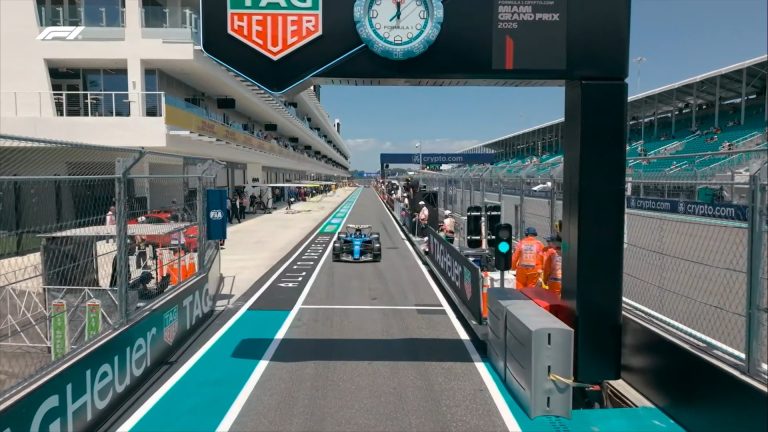
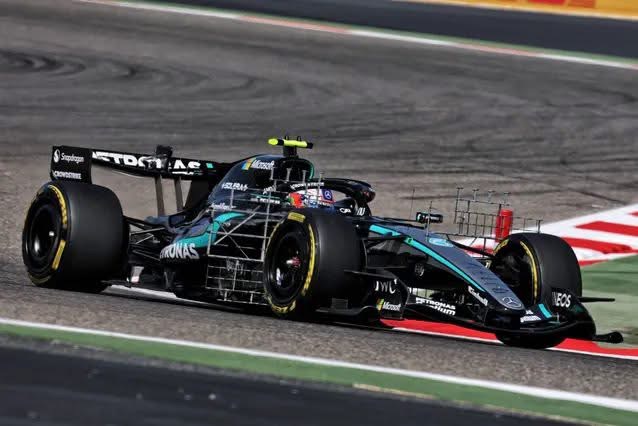
The FIA has moved to shut down a controversial qualifying tactic that dominated headlines after the Japanese Grand Prix. In a technical directive issued Tuesday morning, the governing body confirmed that both Mercedes and Red Bull had been exploiting a gap in the 2026 energy deployment rules during Q3. The directive takes effect immediately, starting with the Miami Grand Prix.
The loophole centered on the new “pre-lap charging” window. Under 2026 regulations, teams are allowed to harvest extra energy on out-laps to ensure full deployment for a timed lap. The rule was written to protect battery life, but it did not specify when that harvested energy had to be used. Engineers quickly realized the oversight.
Red Bull and Mercedes built software maps that stored the extra harvest and then released it in short, aggressive bursts during the first sector of the flying lap. The gain was worth nearly three tenths at Suzuka, specifically on the run from Turn 1 to Turn 7. GPS data showed both teams spiking 40 kilowatts above the legal deployment curve for 1.8 seconds.
Rival teams raised concerns after qualifying in Japan. McLaren and Ferrari both lodged technical queries asking the FIA to clarify whether the burst strategy was legal. The FIA’s remote scrutineering team spent the last two weeks analyzing power traces, and their conclusion landed this morning with direct consequences for the championship leaders.
This is the main point. The FIA has now banned the practice outright, classifying the burst as a breach of Article 5.4.8 of the Technical Regulations which governs maximum energy flow per unit of time. From Miami onward, any deployment exceeding the defined curve will result in immediate lap deletion and a mandatory report to the stewards. Both Mercedes and Red Bull must submit new software maps by Friday for FIA approval.
The reaction from the two teams was instant and frustrated. Red Bull team principal Christian Horner called the ban a mid-season rule change that punishes innovation. He argued that the strategy was fully within the written rules and that the FIA is penalizing teams for reading the regulations better than others. Mercedes’ Toto Wolff echoed the sentiment, saying the team spent millions validating the concept over winter.
Engineers from both camps admitted the loss will hurt. The burst map was baked into their 2026 car concept and simulator work. Losing three tenths in Q3 could be the difference between pole and the third row, especially on street circuits like Miami where track position is critical. Mechanics were seen removing steering wheel modes labeled “Q-Burst” from both garages.
The rest of the grid welcomed the decision. McLaren CEO Zak Brown said the clarification protects sporting fairness and prevents an arms race in software that fans cannot see. Ferrari’s Frederic Vasseur noted that smaller teams cannot afford to chase loopholes that get banned three races later, and called for clearer wording in future rules.
The FIA defended its timeline, stating that the loophole only became clear once real-world data from Japan was available. Technical delegate Jo Bauer said the directive is not a change of regulation, but an enforcement of existing intent. He confirmed that no retrospective penalties would be applied to Suzuka results, as the cars were legal under the rules as written that weekend.
With Miami qualifying now five days away, the competitive picture has shifted overnight. Mercedes and Red Bull must re-optimize their Q3 approach without the burst tool, while their rivals see a chance to close the gap. One thing is certain: the technical battle in 2026 will be fought as much in code as in carbon fiber, and the FIA has shown it will step in fast when the line is crossed.
About the Author