BREAKING: FIA Has given Official Announcement on Miami and Montreal Races.
BREAKING: FIA Issues Official Announcement on Miami and Montreal Races
The FIA has given an official announcement concerning the Miami and Montreal races following weeks of speculation and logistical uncertainty. The statement, released at 09:00 GMT on Wednesday, confirms major operational changes for both North American rounds of the 2026 Formula 1 season.
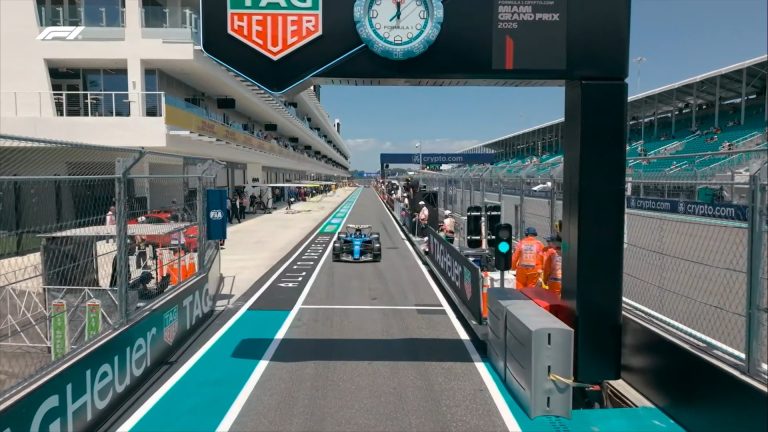
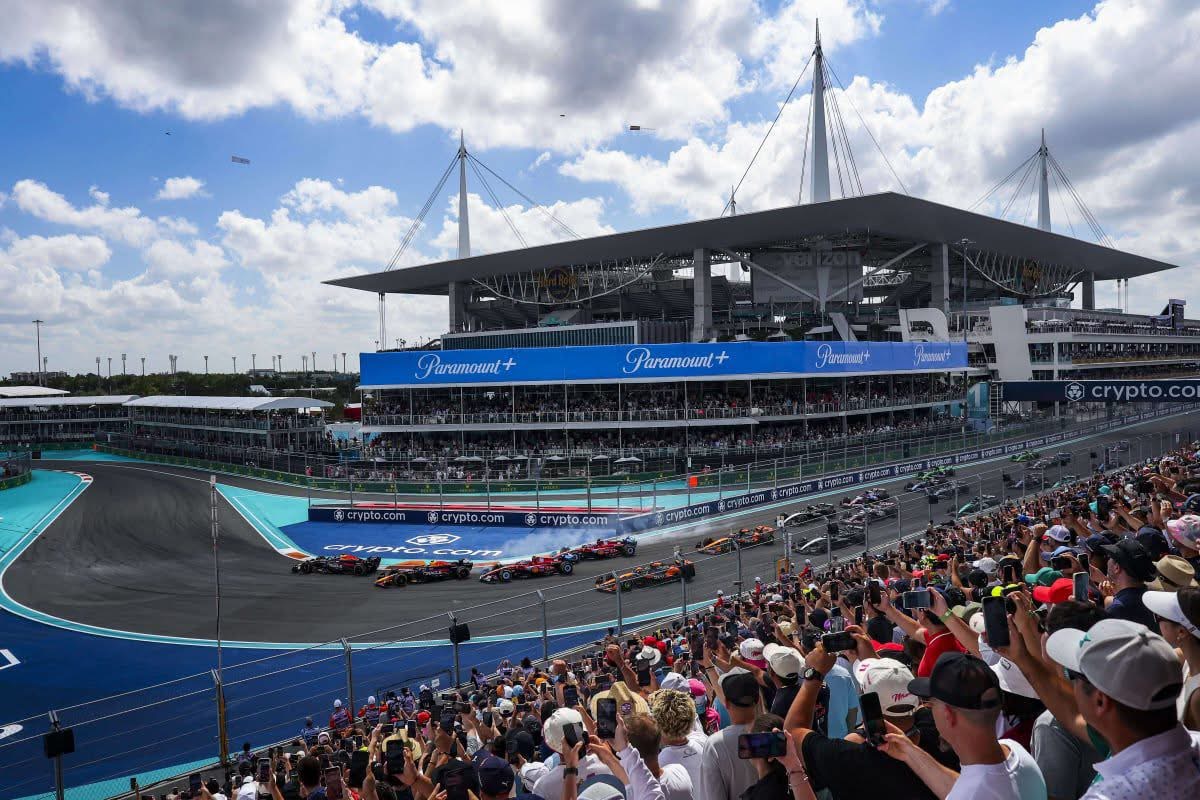
According to the governing body, the Miami Grand Prix will proceed on its original May 1–3 date but with a revised weekend structure. The Sprint format will be removed entirely, reverting to the traditional three practice sessions, qualifying, and Grand Prix. The FIA cited track surface concerns and tire behavior data from 2025 as the primary reason for the change.
The statement also addressed safety upgrades at the Miami International Autodrome. Following the Bearman and Colapinto incident in China, the FIA mandated new TECPRO barriers at Turns 11, 14, and 17. Additional drainage work will be completed to address flooding risks that affected support races last year. All modifications must be signed off by FIA inspectors by April 25.
For Montreal, the announcement was more significant. The FIA confirmed that Circuit Gilles Villeneuve will remain on the calendar for 2026, ending rumors of a one-year hiatus. The event keeps its June 5–7 slot, but the governing body has approved a condensed three-day schedule to reduce freight costs for teams traveling from Europe.
The core of the announcement focused on the 2026 power unit regulations. After emergency meetings in Paris, the FIA has introduced a temporary “power floor” rule that will debut in Miami and be evaluated again in Montreal. The rule prevents energy deployment from dropping below 60 percent during wheel-to-wheel battles above 280 km/h, directly addressing driver complaints from China.
To enforce the change, all cars in Miami and Montreal will run a standardized FIA software patch on their Energy Recovery Systems. The patch will be locked and monitored in real time by FIA technicians. Teams have been given one extra day of testing at Silverstone next week to validate compatibility with their individual power units.
The FIA also detailed new penalties specific to these two races. Any sudden loss of deployment that creates a closing-speed delta greater than 40 km/h will trigger an automatic investigation. If the data shows a software failure rather than driver error, the team will receive a grid penalty for the following event, regardless of intent.
Logistics were another key point. Due to the cancellation of Bahrain and Saudi Arabia, the FIA has reshuffled the freight plan. Equipment will now ship directly from Suzuka to Miami, then remain in North America for Montreal before returning to Europe. The governing body said this saves four full cargo aircraft movements and cuts the carbon footprint of the cancelled races.
Fan experience was addressed as well. Miami will trial a new “driver data stream” on the F1 app, showing live deployment levels and throttle traces to improve transparency after the Leclerc criticism in China. Montreal will introduce expanded grandstands at the hairpin and a revised paddock club layout to increase capacity by 8,000 seats.
The statement closed by confirming that both events have received final approval from the World Motor Sport Council. FIA President Mohamed Ben Sulayem said the changes prove the sport can react quickly when safety and fairness are questioned. He added that Miami and Montreal will now serve as the test bed for solutions that could become permanent for the rest of 2026.
About the Author